Bye
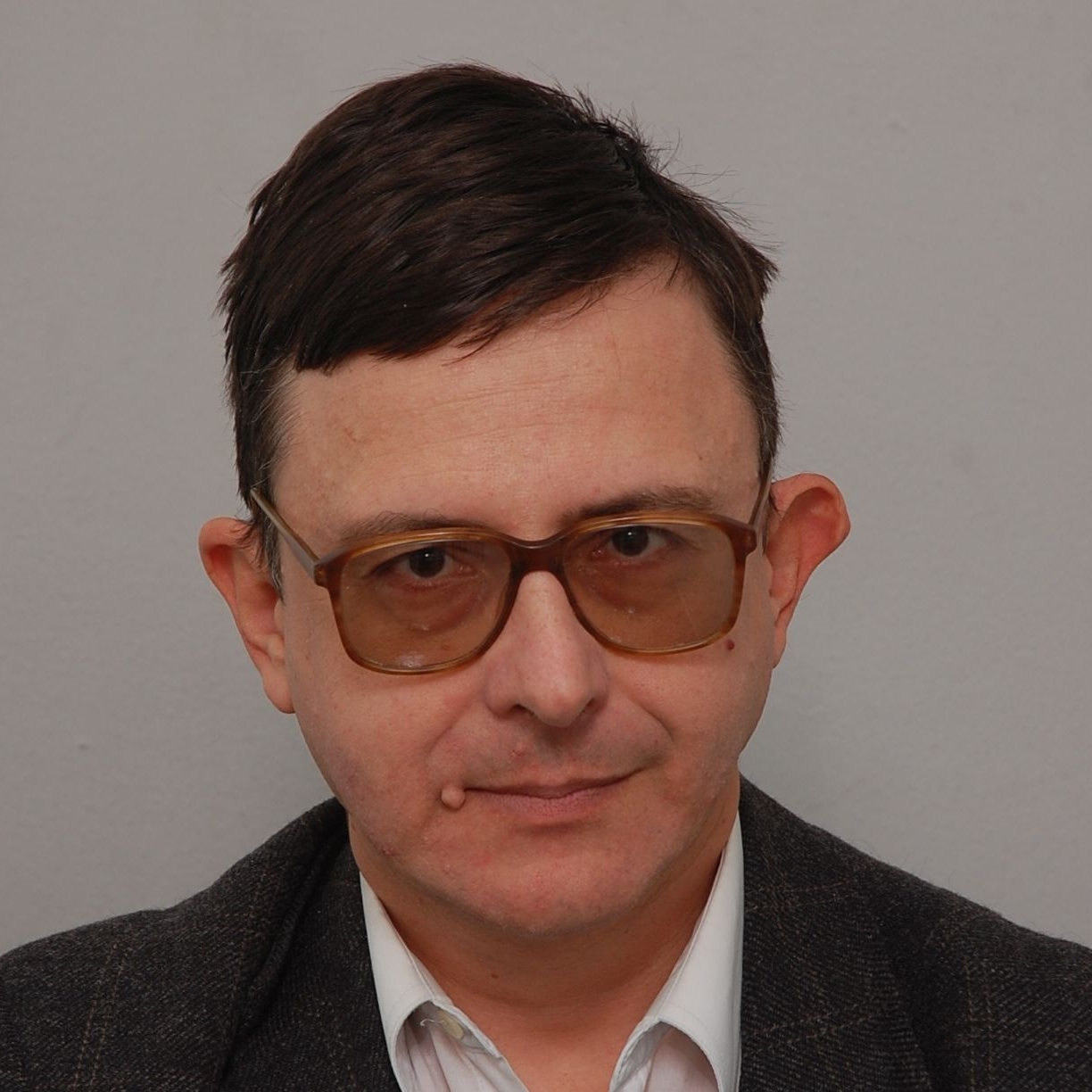
Dr. Vesselin Vladimirov Bontchev
This is my personal blog, chronologing my battle with cancer
2026-09-01
In the previous blog entry, I mentioned that I probably won't bother writing one about the quest for getting the new monthly dose of pills, unless something unusual happens. Well, something did happen, so... In fact, I am a bit late with this entry, because it took me about a week to process it.
The blood tests showed nothing unusual, with the PSA (the tumor marker) again being so close to zero as to be unmeasurable. So, I went to the hospital for the pills. As usual, I was made to wait about an hour in the hall that the doctors use instead of their offices to consult patients, listening to unpleasant conversations, like an oncologist telling a patient "I don't know what is causing the pain, maybe the tumor is pinching the spinal cort; you have to consult a neurologist". Stupid me, I thought that an oncologist is supposed to know what is causing the pain in a cancer patient and how far their tumor has progressed.
Eventually, my doctor appeared with the presctiption for the pills. But he also brought a heap of other documents. "This is the application for the next PET scan," he said. "Wait," I said, "I thought that the radiologist applied for it after the last radiotherapy." "Well," asked the doctor, "did he?" "How the hell am I supposed to know?" I asked reasonably. "Can't you check?" "Nope," said the doctor, "Take the documents, go to the nuclear medicine department, and ask them whether you have an application already submitted - and, if not, submit one with them."
So, I took the documents and went to the nuclear medicine department. After the customary waiting, my turn came and I asked whether I have an application for a PET scan already submitted. "Yes, you do," said the recepcionist, after checking her computer. Yay, so the radiologist had kept his word. "In fact," said the recepcionist, "there is a free slot for tomorrow at 12:30. Can you come then?". Well, given that I had to wait 3 months for it already, the obvious answer was "Yes, I can". I'd really rather not wait for another 3 months until the next slot becomes available.
"Fine," said the recepcionist, "How much to do you weigh?". "I don't know," I replied, "I haven't weighed myself in a long time." "Well, you have to know," she said, "because the dose of the radioactive substance is calculated based on your weight." "I'm prefectly aware of that," was my reply, "and if you had called me home by the phone, as you were supposed to, I would have weighed myself and told you. But I haven't done so since my last PET scan, and I keep losing weight slowly (either due to the cancer or due to stress), so I don't know my current weight." "OK," said the recepcionist, "leave your bag here, go to the scale in that room and weigh yourself." So I did, reported back, signed a bunch of documents and was told to come tomorrow at 12:30.
Turned out, this wighting was a completely useless waste of time, because the next day I was told to weigh myself again. Then I had to wait for a "consultation" with a doctor, who basically asked for the results of my first PET scan (because it was done in a different hospital) and asked some trivial questions. Then I had to wait some more, of course, until a nurse called my name, took me to another room, and hooked me up to a machine that injected the radioactive substance into my vein. Then I had to wait for another hour, until the substance had time to circulate through my body.
Then I was finally taken to the scanner, where I had to lie down for about 15 minutes for the actual scanning process. After that, the doctor let me go, after telling me (from a safe distance) that the results will be ready in 5 days and that I should keep away from children and pregnant women and generally avoid being close to other people (including using the public transport) for the next 12 hours. Well, I don't have a car, and the hospital is far from where I live, so using the public transport is unavoidable. But at least the bus wasn't crowded and I made sure to keep away from other people. Finally, at around 16:00 I got home, ate a quick lunch alone (I had warned my mother that we won't be eating lunch and dinner together that day), and went to sleep, because I was completely exhausted from all the waiting.
Five days later, I came back for the results. Of course, I read them immediately. As usual, they were chock-full of medical jargon, but I understood the gist of it: the tumors were still there. All the three of them. Inactive (because of the hormonal therapy), but still there. The radiotherapy had not killed them, as I was hoping.
I asked where I should go with the results - to the radiologist, or to the oncologist. "To the oncologist," was the reply. So, I went to the oncology department on the 8th floor. Of course, my doctor was not available. The nurse told me to leave him a note with my names, phone number, and the reason why I needed to talk to him and that he would call me. So I did and took the bus home.
I had barely arrived home when the doctor called me. He had seen the results from the computer system and said that everything was "fine" and the tumors were static. "But, doc," I said, "I was hoping that the radiotherapy would have killed them." "No," he said, "it can't do that."
Well, this is a surprise. An unpleasant surprise. First I was told that surgery was pointless, then that the hormonal therapy cannot kill the tumors and can only stop their growth, and now I'm told that the radiotherapy cannot kill them, either. So, it seems that I'm out of options.
"Do I need additional radiotherapies, then?," I asked. "No," he said, "there is no point in that, since the tumors are inactive. There won't be need for additional radiotherapies until new tumors appear." "Well, if the radiotherapy cannot kill the tumors, then what is the point of it?," I asked. "It helps the hormonal therapy stop the growth of the tumors," he said.
And that was that. I'll continue with the hormonal therapy until it stops working and new tumors appear. Which they will, eventually. At this stage, my cancer is definitely incurable. All the therapies can do is to postpone the inevitable by a little bit. Maybe I have another 1-2 years. Maybe not. Probably not. But I will continue fighting until the bitter end, of course. I have no other choice and I have the responsibility to my mother to try to remain alive for at least as long as she is.
I don't know when I'll write the next blog entry. I'm really not in the mood for it. I'll post some jokes on Mastodon; it makes me feel slightly better.
I'll update this page if there are any important changes and I am still able to do so.